
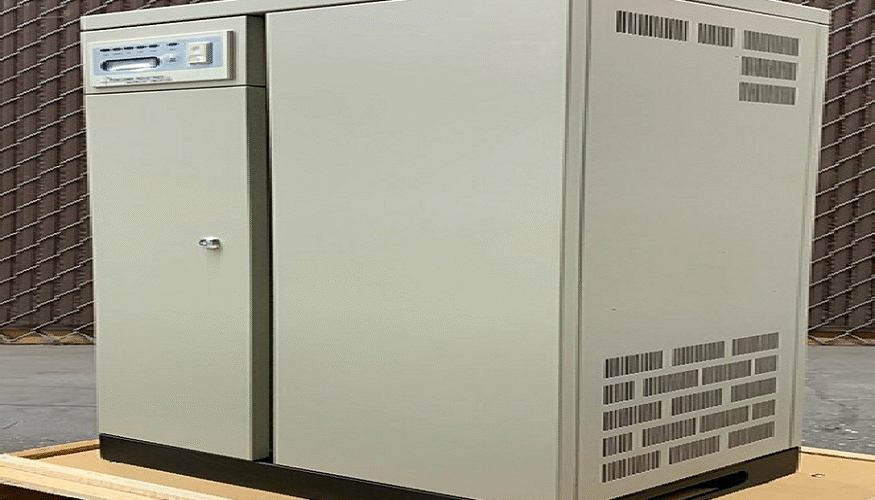
Frequency converters bridge the gap between fixed grid power supplies and the variable frequency requirements of industrial machinery. Municipal utility grids supply alternating current at a rigid, fixed frequency typically fifty or sixty Hertz depending on your region. However, industrial electric motors need adjustable frequencies to alter their rotational speed and torque output efficiently. Understanding how frequency converters manipulate incoming electrical energy to deliver tailored output frequencies allows engineers to optimize machinery performance and eliminate energy waste across automated systems.
The Role of Fixed Input Frequency from the Power Grid
Utility companies generate and distribute alternating current at a constant frequency to maintain grid stability across massive electrical networks. Connecting an electric motor directly to this fixed grid forces it to rotate at a single, unyielding speed determined by its internal pole count. Running equipment at constant full speed creates immense energy waste when your production line only requires partial capacity or variable processing speeds.
Read More: Backup Server vs Cloud Backup: Which Is More Cost‑Effective for Small IT Teams?
Receiving stable input power is the first critical phase in the frequency conversion process. The converter takes this rigid line power whether three-phase or single-phase and feeds it into an internal rectifier bridge. The rectifier converts the incoming alternating current into direct current, storing it temporarily inside a high-capacity DC bus capacitor bank. This conversion stage decouples the motor entirely from the rigid utility frequency, setting the stage for total operational speed control.
Crafting Variable Output Frequencies for Precision Motor Control
Generating an adjustable output frequency allows you to control motor RPM with extreme accuracy across diverse manufacturing tasks. The internal inverter stage of the converter takes the smooth direct current from the DC bus and converts it back into alternating current using high-speed insulated-gate bipolar transistors. Rapidly switching these transistors creates a synthesized alternating current waveform with an adjustable frequency and voltage profile.
Varying this output frequency alters the magnetic field rotation speed inside the motor, directly dictating its shaft speed. Supplying a lower output frequency reduces motor speed for delicate material handling, while supplying a higher frequency drives the motor above base speed for high-throughput processing. Matching output frequency to real-time workload requirements ensures optimal operating efficiency without placing unnecessary mechanical stress on driven components.
Managing Voltage-to-Frequency Ratios for Constant Torque
Maintaining a precise voltage-to-frequency ratio during conversion prevents motor overheating and magnetic saturation. As output frequency drops, the electrical impedance of the motor windings decreases proportionally. If voltage remained constant at lower frequencies, excessive current would rush through the motor coils, burning out internal insulation and ruining the equipment.
Advanced Visicomm Industries solid state frequency converters utilize continuous voltage-to-frequency regulation or vector control algorithms to scale voltage alongside frequency. Maintaining a constant ratio guarantees the motor produces full rated torque across its entire operating speed range. Controlling both electrical parameters simultaneously allows heavy industrial machinery to start smoothly under full load without drawing dangerous current surges from the main power line.
Harnessing Conversion Precision for Modern Automation
Understanding the distinction between input and output frequency equips engineers to design highly efficient, automated production systems. Controlling the energy transformation process transforms rigid power line electricity into a flexible, highly responsive power source for specialized industrial machinery. Precise frequency management optimizes motor performance, lowers utility expenses, and protects sensitive electrical components from thermal degradation.
Read More: How 5G Is Revolutionising Prepaid SIM Card Internet Speeds: Real Data and Facts
Mastering frequency conversion principles allows plant operators to fine-tune processing speeds, improve product consistency, and reduce overall facility downtime. Matching motor speed directly to operational load prevents energy waste and shields mechanical infrastructure from unnecessary stress. Implementing frequency converters with a solid understanding of input and output dynamics secures long-term equipment reliability and drives sustainable manufacturing productivity.