
In industries like oil and gas, chemical manufacturing, pharmaceuticals, and mining, operational efficiency is inextricably linked to safety. These environments, known as hazardous zones, contain flammable gases, vapors, mists, or combustible dusts. In such settings, standard electronic devices pose a critical risk; a tiny spark from a battery fault, a static discharge, or an overheated circuit could trigger a devastating explosion. While specialized equipment is mandatory, the need for data collection, asset tracking, and inventory management remains constant. This is where intrinsically safe (IS) scanners emerge as indispensable tools, playing a vital role not only in safety compliance but, perhaps less obviously, in significantly reducing operational downtime.
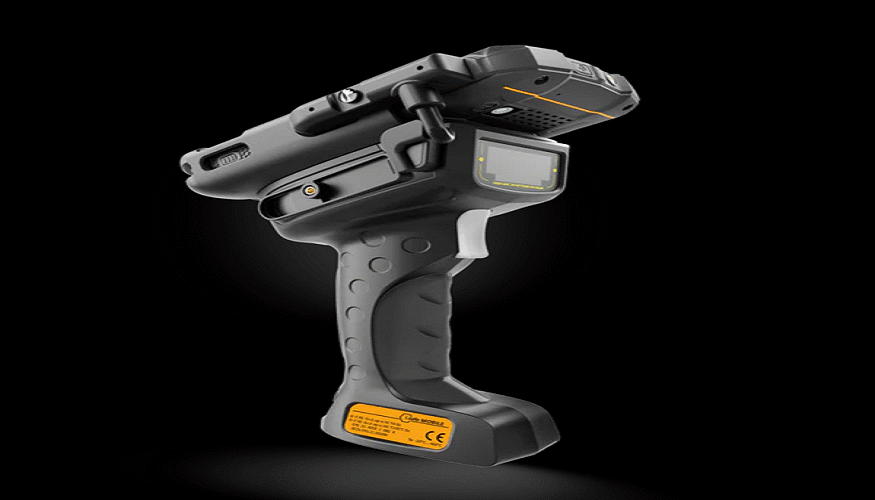
The core function of a Reliable Barcode Inspection Equipment – Intrinsically Safe Barcode Scanner
device is to prevent ignition by ensuring that its internal energy—both electrical and thermal—is incapable of releasing enough energy to ignite the surrounding hazardous atmosphere, even in the event of a malfunction. This principle of non-incendive operation allows personnel to perform crucial tasks like scanning barcodes or RFID tags directly within dangerous environments, maintaining workflows without the need for costly and time-consuming safety protocols required by non-certified equipment.
The Cost of Stoppage: Understanding Downtime in Hazardous Zones
In a hazardous zone, downtime is exponentially more costly than in a typical manufacturing environment. Any activity involving non-certified equipment requires a complex and lengthy safety procedure known as a “hot work” permit. This often involves:
- Gas Testing: Halting operations to test the air for hazardous materials.
- Decommissioning: Shutting down or isolating the specific area where the work is to be performed.
- Ventilation: Introducing external ventilation to clear the atmosphere.
- Manning: Requiring extra safety personnel (fire watchers) to be present.
These procedures can add hours to a simple task, translating directly into thousands of dollars in lost production per hour. Furthermore, if a piece of non-certified equipment needs to be brought in for data capture—such as inventory confirmation or logging maintenance—the entire process must be repeated. The primary way intrinsically safe scanners reduce downtime is by eliminating the need for the hot work permit for data capture tasks, allowing operations to continue safely and uninterrupted.
Real-Time Data and Workflow Continuity
Beyond eliminating the hot work permit, IS scanners boost efficiency by enabling real-time data capture at the source. In legacy systems, data collection in hazardous areas often involved pen-and-paper logging, followed by a time-delayed manual entry once the worker left the classified area. This process is slow, prone to transcription errors, and creates a significant delay in information availability.
IS scanners, often equipped with wireless connectivity (Wi-Fi or Bluetooth), allow data to be transferred instantly to inventory management, enterprise resource planning (ERP), or computerized maintenance management systems (CMMS). This real-time visibility is vital for maintaining workflow continuity:
- Inventory Accuracy: Immediate scanning of parts pulled from a storage area ensures inventory records are always accurate, preventing costly stock-outs or ordering delays.
- Preventative Maintenance: Technicians can scan asset tags and immediately receive digital checklists and upload photos or notes directly, ensuring maintenance is performed correctly and recorded instantly for audit purposes.
- Logistics and Tracking: Tracking chemicals or raw materials throughout the process flow is seamless, maintaining tight control over regulatory documentation and material traceability.
By ensuring data is accurate and available instantly, IS scanners minimize the downtime associated with manual error correction and delayed decision-making.
Conclusion: Safety as an Efficiency Driver
The intrinsically safe scanner represents a perfect synthesis of safety and efficiency. It is a critical piece of technology that adheres to the strictest safety standards while enabling seamless, real-time data flow in the most challenging industrial environments. By eliminating the necessity for time-consuming hot work permits for data tasks, enabling instant inventory and maintenance updates, and providing an immaculate digital audit trail, these devices directly combat the high cost of operational downtime. Investing in intrinsically safe technology is not merely a cost of compliance; it is a strategic decision that drives productivity, enhances safety culture, and ensures continuous, profitable operation in hazardous zones.